


Areca nut chewing is a widespread cultural custom, significantly in Southeast Asia. Nevertheless, mounting scientific proof hyperlinks areca nut use to an elevated danger of head and neck most cancers. A analysis staff led by Professor Ann-Pleasure Cheng at Chang Gung College in Taiwan has made important progress in uncovering the molecular mechanisms behind this affiliation. Their research, printed in Cancers, identifies particular microRNAs that play an important function in areca nut-induced carcinogenesis.
MicroRNAs (miRNAs) are small, non-coding RNA molecules that regulate gene expression and affect mobile features. Professor Cheng’s staff investigated how areca nut publicity alters miRNA exercise, resulting in most cancers growth. By analyzing a number of datasets, they recognized 39 oncogenic (cancer-promoting) miRNAs and 45 tumor-suppressing miRNAs considerably related to areca nut-induced malignancies. “Our research supplies a complete evaluation of how areca nut alters miRNA expression, disrupting key organic pathways that drive most cancers development,” stated Dr. Huang, a co-author of the research.
Among the many tumor-suppressing miRNAs, miR-499a-5p emerged as significantly vital. Laboratory experiments revealed that miR-499a-5p helps sluggish most cancers cell migration, invasion, and resistance to chemotherapy—three hallmarks of aggressive most cancers conduct. “miR-499a-5p performs a pivotal function in suppressing tumor development brought on by areca nut publicity,” defined Professor Cheng. “Its potential as a therapeutic goal opens thrilling avenues for future most cancers therapy.”
The analysis findings counsel that miRNAs may function biomarkers for early detection of areca nut-related cancers. Figuring out people at excessive danger by miRNA profiling may enhance early analysis and prognosis, probably enhancing affected person outcomes. “Utilizing miRNAs as diagnostic markers may allow early intervention, bettering therapy methods for people affected by areca nut-induced most cancers,” Professor Cheng famous. Moreover, restoring tumor-suppressing miRNAs like miR-499a-5p may supply novel therapeutic approaches, probably reversing among the harm brought on by areca nut publicity.
The influence of this analysis extends past analysis and therapy. Understanding how areca nut alters miRNA exercise supplies beneficial insights for public well being initiatives aimed toward decreasing most cancers circumstances in areas the place areca nut chewing is prevalent. Since areca nut consumption is deeply rooted in cultural traditions, elevating consciousness about its carcinogenic results is vital. “Public well being campaigns ought to incorporate molecular proof, like our findings, to coach communities concerning the dangers of areca nut chewing and encourage preventive measures,” Professor Cheng emphasised.
This research marks a big development in understanding the molecular foundation of areca nut-induced most cancers. By shedding gentle on the miRNA networks concerned, the analysis not solely highlights potential diagnostic and therapeutic targets but additionally underscores the significance of preventive methods. As Professor Cheng’s staff continues to discover the implications of their findings, they hope their analysis will contribute to improved most cancers detection, therapy, and public consciousness, in the end serving to to fight the rising burden of head and neck most cancers worldwide.
Journal Reference
Huang H.-H., Chang J.T., You G.-R., Fu Y.-F., Shen E.Y.-L., Huang Y.-F., Shen C.-R., Cheng A.-J. “MiRNA Profiling of Areca Nut-Induced Carcinogenesis in Head and Neck Most cancers.” Cancers, 2024. DOI: https://doi.org/10.3390/cancers16213710
In regards to the Creator

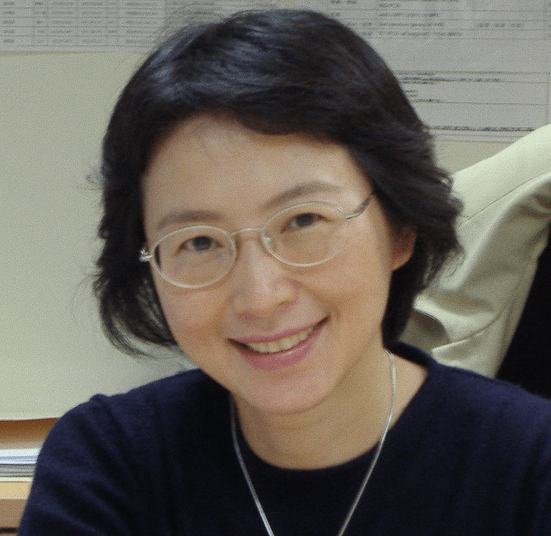
Dr. Ann-Pleasure Cheng is a professor within the Division of Biomedical Know-how and Laboratory Science at Chang Gung College in Taiwan, the place she specializes within the molecular pathology of most cancers. She earned her Ph.D. from the College of Texas Well being Science Heart at Houston and the MD Anderson Most cancers Heart. Dr. Cheng’s analysis focuses on the molecular and mobile mechanisms of most cancers, significantly head and neck most cancers. Her work has made important contributions to our understanding of carcinogenic pathways, therapeutic resistance, and the invasion and metastasis of most cancers. She has authored over 100 peer-reviewed articles and e book chapters, furthering the information of most cancers biology and translational analysis. Along with her analysis, Dr. Cheng is devoted to mentoring graduate college students and fostering interdisciplinary collaborations. She serves on the editorial board of BMC Most cancers and is an energetic participant in worldwide conferences. Pushed by a ardour for advancing scientific information, Dr. Cheng is dedicated to bridging the hole between analysis and public understanding. She actively contributes to science communication and outreach initiatives, making advanced scientific ideas extra accessible to a broader viewers.

