



You will have seen a rising development at checkout: bank card surcharges. These small add-on charges won’t look like a lot, however they’ll rapidly chip away on the worth of your rewards — and your pockets.
Usually known as comfort or service charges, surcharges assist companies offset rising processing and interchange prices. However realizing once they apply (and how you can keep away from them) could make the distinction between incomes nice rewards and shedding out.
Listed here are 9 good and easy methods to sidestep surcharges and maximize the worth of each transaction.
Associated: Ought to I pay with a rewards bank card even when it incurs charges?
Examine the surcharge to your anticipated rewards worth
A surcharge would not robotically imply paying with a bank card is a foul deal, however it is best to evaluate the payment to what you are incomes. Earlier than paying, examine whether or not the payment outweighs the rewards you may earn. Surcharges sometimes vary from 1.5% to 4%, so a card incomes just one to 2 factors per greenback spent could not offset the added price.

Fortunately, you need to use TPG’s month-to-month valuations web page to calculate whether or not the factors or money again you earn outweigh the surcharge. For instance, a 3% payment on a $50 restaurant tab prices $1.50. In case your card earns factors price greater than that, it could nonetheless be price utilizing your bank card — particularly should you’re incomes transferable factors, which might provide outsize worth in contrast with easy cash-back rewards.
For instance, if in case you have the Chase Sapphire Most well-liked® Card (see charges and costs), you earn 3 factors per greenback spent on eating. On a $50 dinner invoice, you may pay a 3% surcharge (an additional $1.50), however you’d earn 150 Chase Final Rewards factors. As a result of these factors could be transferred to Chase’s airline and resort companions — usually at greater redemption values — the rewards earned can simply exceed the price of the surcharge.
Plus, TPG values Chase factors at 2.05 cents apiece, per our December 2025 valuations. Due to this fact, 150 Chase factors are price about $3, thus exceeding the preliminary surcharge.
General, evaluating the surcharge with the worth of your rewards can assist you establish one of the simplest ways to pay.

Reward your inbox with the TPG Each day publication
Be a part of over 700,000 readers for breaking information, in-depth guides and unique offers from TPG’s specialists
Associated: Why all vacationers ought to earn transferable bank card factors
Swap to a card that earns extra in surcharge-prone classes
If you happen to steadily store at companies that apply surcharge charges — akin to eating places, grocery shops or small companies — think about carrying a card that earns greater rewards in these classes. Over time, elevated earn charges can assist offset the price of processing charges and protect your web rewards worth.
For example, the American Categorical® Gold Card earns 4 factors per greenback spent on eating places worldwide (on as much as $50,000 in purchases per calendar yr, then 1 level per greenback spent for the remainder of the yr) and 4 factors per greenback at U.S. supermarkets (on as much as $25,000 in purchases per calendar yr, then 1 factors per greenback spent for the remainder of the yr).

With the Amex Gold, you possibly can earn 200 American Categorical Membership Rewards factors on a $50 U.S. grocery store invoice, which might be greater than sufficient to cowl a 3% surcharge. And people factors can change into much more priceless should you switch them to Amex’s airline and resort companions, and also you redeem them for flights or resort stays.
By strategically utilizing the best card in surcharge-prone classes, you’ll be able to proceed to earn high-value factors whereas minimizing the influence of processing charges, surcharges and different further prices.
Associated: One of the best rewards bank cards to maximise on a regular basis spending
Use cell wallets once they’re exempt from charges
In some instances, retailers apply surcharges solely to bodily card transactions however to not cell wallets like Apple Pay or Google Pay. This relies on their agreements with cost processors or card manufacturers, so it is at all times price asking.
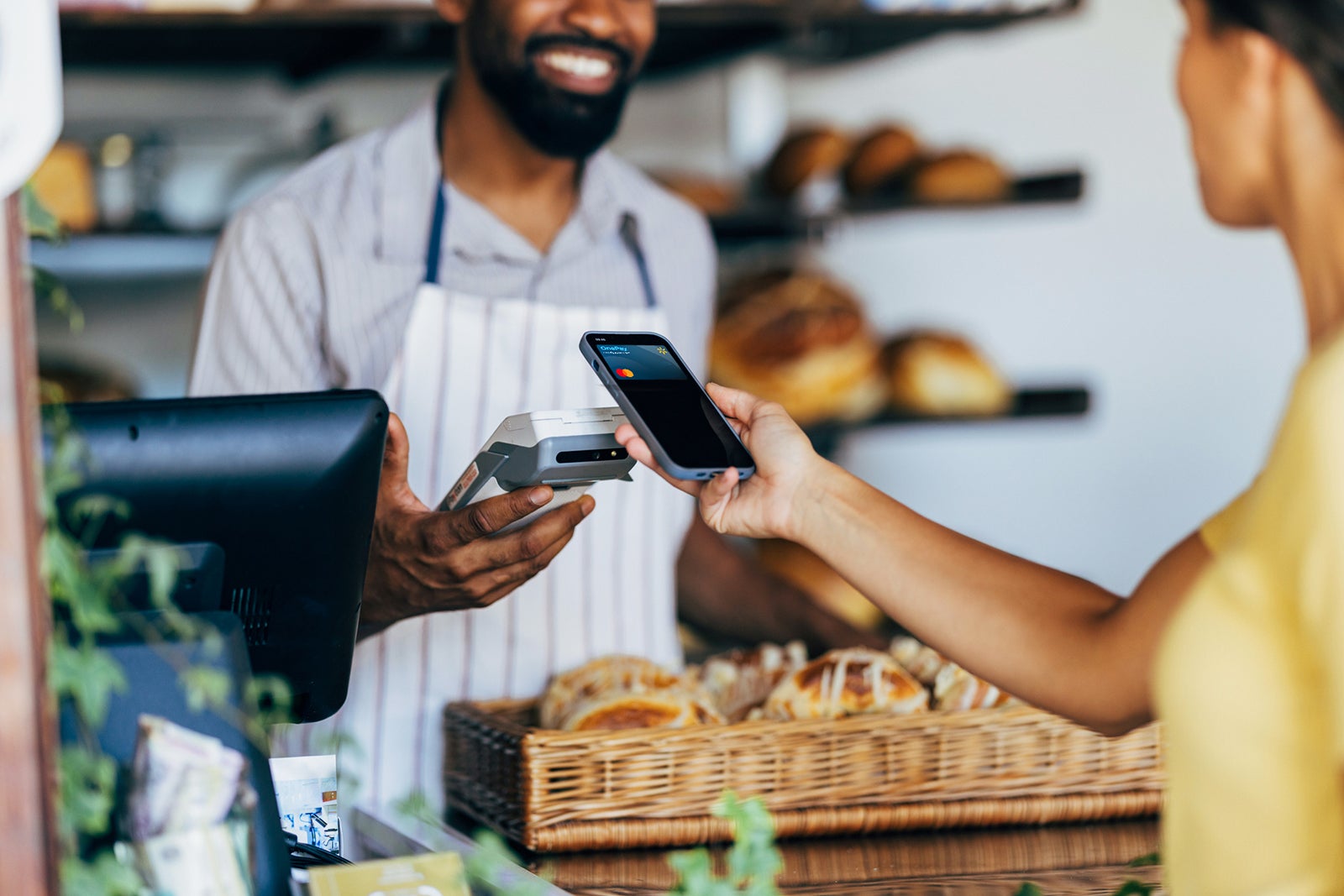
If you happen to see an indication about surcharge charges, ask whether or not cell funds depend as a unique cost methodology. You might be able to keep away from the payment fully.
Associated: What to find out about your rewards should you pay by cell pockets
Search for “card-not-present” payment variations
Typically, the payment modifications relying on whether or not the transaction is card-present or card-not-present (like on-line or over the telephone). For instance, a service provider may impose a decrease percentage-based payment or waive the payment for on-line funds.
If you happen to’re being charged further in particular person, think about whether or not paying via the product owner’s web site ends in a decrease further payment.
Associated: The way to maximize on-line buying portals in your purchases
Ask whether or not there is a money or debit low cost
Earlier than you pay, ask if the value is decrease for money or debit card transactions. Some companies provide reductions for patrons who pay with money or debit as a approach to encourage various cost strategies and cut back prices.
Many small companies desire these various cost strategies as a result of they cut back the enterprise’ personal prices, particularly in terms of charges charged by bank card processors. The companies will usually move alongside these financial savings even when the low cost is not posted.

Since most debit card funds do not incur the identical processing charges as bank cards, this may be one of many easiest methods to keep away from a surcharge fully.
Nevertheless, simply do not forget that paying with money or debit playing cards could restrict your potential to earn rewards or obtain card-based protections akin to buy protection, prolonged guarantee or built-in journey advantages.
Associated: 4 explanation why you should not use your debit card
Know your state’s surcharge legal guidelines
Surcharge legal guidelines fluctuate broadly by state. A handful of states prohibit when companies can add surcharges, whereas others require particular disclosure necessities, together with clear signage and clear pricing.
Even in states the place bank card surcharges are authorized, retailers should disclose the whole surcharge quantity earlier than you pay. If you happen to weren’t notified or the posted worth would not match the ultimate whole, you are inside your rights to ask the service provider to honor the unique worth.
Associated: Bank card economics: A take a look at the charges that you simply not often see
Use a no-fee cost methodology for small purchases
On small transactions, a surcharge could be disproportionately costly. A 3% payment on a $6 espresso is not a lot in {dollars}, however relative to the transaction worth, it provides up over time.
When the surcharge outweighs the rewards — which is frequent for low-cost on a regular basis objects — paying with money, a debit card or one other various cost methodology could make extra sense.
Associated: Maximize your rewards: Your factors and miles guidelines
Keep away from companies that add pointless or extreme charges
Some retailers add further charges that transcend typical surcharges, and others skirt the principles by not disclosing them correctly. Hidden charges (undisclosed or nontransparent expenses) can improve your whole price and are an indication of noncompliant or unfair enterprise practices.
If a enterprise persistently expenses greater than the posted worth or applies undisclosed further charges, think about taking your small business elsewhere.
Not solely does doing this prevent cash, however it additionally encourages clear pricing and discourage retailers from including improper charges.
Associated: The way to keep away from ATM charges
How bank card surcharges work, and why they’re turning into extra frequent
A bank card surcharge is an additional payment added to a purchase order if you pay with a bank card. Usually 1.5% to 4% of the whole, these charges are designed to assist retailers cowl the prices of accepting bank card funds, together with charges charged by bank card issuers, networks and cost processors.
Whereas surcharges have been round for years, they’re turning into extra frequent for a number of causes. For one, processing and interchange charges have elevated, particularly for small companies working on skinny margins.
On the similar time, fashionable point-of-sale techniques have made it simpler for retailers to robotically add and disclose surcharges.

There’s additionally ongoing authorized scrutiny of swipe charges: Visa and Mastercard have agreed to a proposed settlement with U.S. retailers that might decrease sure processing prices. Nevertheless, the deal continues to be awaiting court docket approval, and any modifications could take time to achieve customers.
As working prices proceed to rise, extra retailers are opting to move alongside a few of these bills to clients who pay with bank cards.
Surcharges are commonest at small companies, eating places and repair suppliers, however they’ll seem anyplace retailers need to offset prices. No matter the place you store, retailers should comply with card community guidelines, state legal guidelines and disclosure necessities to make sure any surcharge is authorized and clear.
Associated: The way to keep away from paying gasoline surcharges when redeeming factors and miles
Backside line
Bank card surcharges have gotten a routine a part of the funds panorama, however that does not imply you should merely settle for them. By evaluating the associated fee to your anticipated rewards, choosing the proper cost methodology, looking ahead to reductions and understanding state legal guidelines, you’ll be able to decrease what you pay and protect the worth of each swipe.
With a number of fast checks earlier than every buy, you’ll be able to proceed utilizing your rewards playing cards strategically — and keep away from paying greater than needed.

